With 20+ years in the wedding industry I have always been fascinated by the term luxury wedding. What does luxury actually mean to modern couples? I discovered that peoples interpretations of this differed, which in itself is a marketing issue because you can no longer rely on using the word luxury within your messaging to convert luxury clientele.
Article written: December 2022
Updated: August 2026
Author: Bernadette Chapman
For years, luxury in the wedding industry was often associated with exclusivity, aesthetics and aspiration. Expensive venues, carefully curated branding and editorial-style imagery became the markers of a “luxury” experience.
But consumer behaviour is changing.
Today’s couples are significantly more cautious about where they invest their money, particularly in a challenging economic climate where weddings have become more expensive across almost every category. At the same time, buyers are more informed, more research-driven and more sceptical of polished marketing than ever before.
Couples are no longer simply buying “luxury” because something looks expensive or exclusive. They are buying reassurance. They are buying emotional safety. They are buying confidence that the experience will match the investment. And for an established wedding business, that has implications far beyond your branding or Instagram presence.
Luxury now must include:
- clear communication
- transparency
- professionalism
- responsiveness
- consistency
- emotional intelligence
- genuine expertise
- a personalised experience
The wedding businesses thriving right now are not always the loudest or most polished. They are often the businesses creating trust at every stage of the client journey.
This is closely connected to what I describe as the “trust recession” happening within the wedding industry. Couples have become more cautious about over-curated marketing, vague pricing, styled shoots presented as real weddings and businesses that appear premium online but fail to deliver a premium client experience in reality.
Luxury is no longer about appearing untouchable.
It is about being trusted.
Why Values Are Essential For Luxury Businesses
I’ve seen so many businesses with luxury in the business name, whereas the service or product, is anything but. So what does luxury mean? There is a misconception that luxury weddings must be ostentatious, complete with bling and floral installations.
Whereas luxury is about how you make your clients feel, it’s the journey they go on with you. They want exclusivity from you and impeccable service. This is the backbone of luxury. They need to feel valued and special within the customer journey you curate. Its not necessarily the aesthetics although of course this plays a part of the experience.
Luxury Is No Longer About “Perfect”
For a long time, the wedding industry sold perfection.
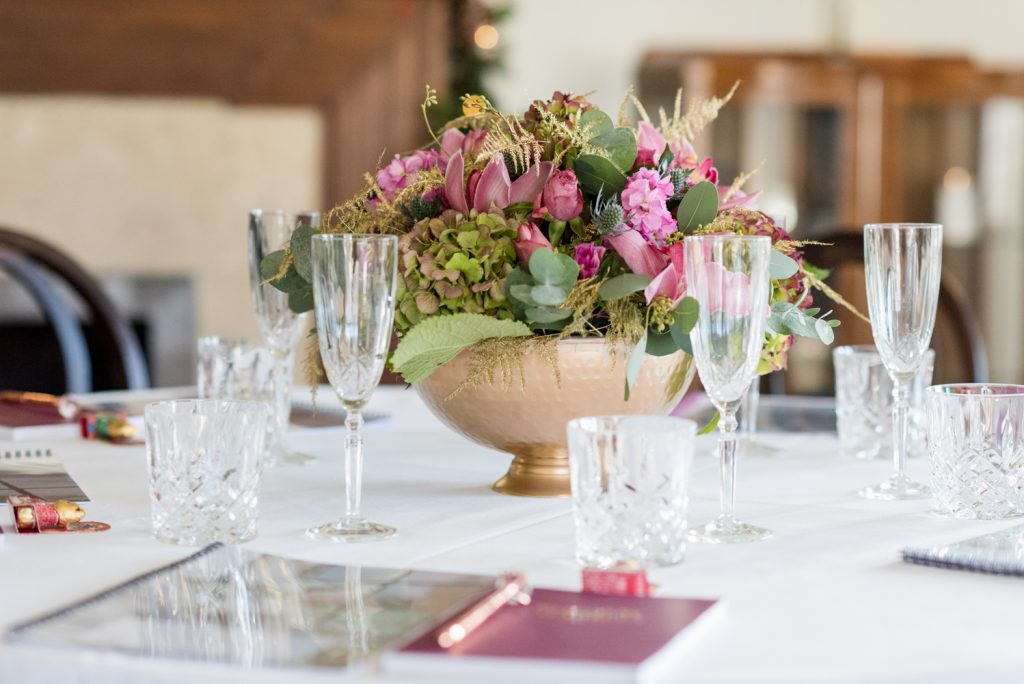
Perfectly styled tablescapes worthy of going viral
But modern couples are increasingly moving away from perfection and towards intentional experiences that feel meaningful, personal and emotionally aligned.
That does not mean couples no longer value beauty or elevated experiences. Of course they do. But the definition of luxury is evolving.
Today, luxury often looks like:
- feeling genuinely looked after
- calm communication
- suppliers who reduce stress rather than create it
- personalised experiences
- flexibility and understanding
- inclusivity and accessibility
- authenticity over performance
- thoughtful details over excess
This shift reflects broader consumer behaviour across the luxury market. Younger buyers are increasingly drawn to experiences, emotional connection and brands that align with their values rather than status alone.
In weddings specifically, couples are becoming more intentional about where they spend their budget. Many are prioritising atmosphere, guest experience and emotional impact over simply trying to impress others. In my article “Gen Z are getting married” I spoke about how Gen Z are choosing smaller weddings because they are more selective who to spend their day with.
That means luxury wedding businesses must evolve too.
A premium experience is no longer created purely through aesthetics. It is created through how clients feel throughout the entire journey, from the first enquiry to the post wedding goodbye.
Because ultimately, true luxury is not about perfection.
It is about trust, ease, confidence and emotional connection.
Discretion and NDA’s
There is another element of luxury that doesn’t get talked about enough: discretion.
Not every high-value client wants their wedding design, guests, their budget or their personal details shared publicly. And not every established wedding business wants its commercial results turned into a case study.
Some of my clients are happy for me to share their successes. Others prefer complete confidentiality. I respect both.
Because sometimes the most premium thing you can offer is knowing what should remain private.
But this brings with it another point of contention in the wedding sector, if you can’t show your work how will that affect your marketing moving forward? This has come up with both wedding planner clients and wedding photographer clients this year. Things to consider:
- *Is it a blanket you cannot share anything to do with the clients or wedding both online and offline
- Can you show images offline in an album?
- Can you show details shots?
- Can select images be chosen by the couple so they have control?
*If this is the case then consider adding an additional charge to cover the lack of marketing potential.
Market Positioning
One of the biggest mistakes I see is businesses deciding they want to target “luxury” before they’ve really established what that means for their particular business. Regardless of what business you have, researching your market and IPC is essential for your growth. And not assuming you know what a client wants.
You need to understand where you actually fit in the market, not where you think you fit.
I remember throughout my years training wedding planners I would ask students what type of weddings they want to organise. And often they said luxury, when I ask who their clients will be they reply affluent city works. And in itself that’s ok, but entering the luxury wedding market can be hard, especially as a new planner unless this is a world you already occupy in your personal life. If your world is luxury that it stands to reason targeting the luxury market will be easier for you.
Having luxury within your brand name in itself will not be enough to attract nor convert true luxury clientele.
The change in how consumers define luxury and the new path to purchase is dramatically redefining the marketing strategy. Luxury brands must be very agile and innovative in order to gain the favours of the new luxury consumer."
Forbes
Luxury vs High Spend: Are They Actually the Same Thing?
I think people have got confused with the word luxury vs high spend which I think is what most businesses actually mean. They want to attract high spend clientele.
But let me ask, can you have one without the other?
- Can you have clients asking for a luxury home, wardrobe, wedding but who do not have the “luxury” budget?
- Can you have clients that know what they want, quality workmanship, attention to detail, but not what is “perceived to be luxury” but who have surplus money to make it happen?
Lets think about another angle, would a client with a high budget search for luxury x,y,z on Google or would they search specifics?
Would a founders name depict a personalised service with attention to detail vs a brand name for example? Whether in the wedding industry, fashion or crafter, having a personal name showcases more individuality and limited availability compared to a brand for example. Could this be what others deem as a luxury service?
Luxury is one of the most resilient industries there is. It’s also one of the fastest to rebound after a crisis.
Luxe Digital
Luxury Branding
As mentioned earlier Luxury often means the experience they have with you, from first enquiry to the off boarding how do you make the client feel? Think about the customer experience from initially finding you , to viewing your website & social media accounts (I can guarantee they will do this) to how you handle their enquiry.
Branding is vital for this industry, I’ve lost count of the number of businesses that are targeting the luxury market but their brand is anything but. If this is the market you want to be in, then you better be sure you can back this up.
Luxury consumers are changing too. The latest Bain & Company/Altagamma research shows that luxury spending is increasingly shifting towards experiences, while the buying journey itself is becoming more complex. In 2026, Bain reported that half of luxury shoppers already use AI during their purchase journey, while half consult the second-hand market before buying new.
But it’s not just about your brand images, it’s how you represent yourself as well. Does the way you communicate and conduct yourself inspire the level of confidence your positioning requires? This doesn’t mean you need to be wearing designer clothes and shoes, more that you have confidence in who you are and how you present yourself. I had multi millionaire clients rocking up in tracksuits to private members clubs before, so the clothes don’t matter per see.
Clients wanting a luxury service want a totally unique experience, and are willing to pay for the best. They do not want cookie cutter approaches, they want exclusivity. When I was a wedding planner many of my clients were multi millionaires, but I never classed myself as a luxury brand, why?
Because my clients never strove for luxury in their weddings, they wanted classical English country weddings. I was hired for my experience in a particular niche and my calm demeanour, my clients were down to earth and they wanted the same from their suppliers. In fact their brief was often “we don’t want anything ostentatious” , it was important to my clients that their friends and family felt welcomed and not intimidated by the theme.
So luxury was never in my messaging, ask yourself what is it your clients truly want?
And if they went onto google right now what would they type?
Would luxury come into the search or would they be typing something else?
When I work with clients we spend time on analysing their position into the market so they know where they fit and not where they think they fit. Some only want to work on weddings up to £250k, for them thats the sweet spot. I’ve had clients who have worked on multi day £million plus budgets and they came out only making a small profit. Sometimes the service level required means bringing in a support team and those additional wages can impact the business profitability. I cover this briefly on my article regarding luxury wedding pricing. Other clients only want to work on 8 weddings per year so the business is built around this.
FAQs
What makes a wedding feel luxurious?
Luxury weddings feel intentional, personalised and effortless. Modern couples often associate luxury with trust, calmness, service and experience rather than excessive spending alone.
Are luxury weddings always expensive?
Not necessarily. Luxury is increasingly defined by experience, emotional connection, quality and thoughtful details rather than scale or extravagance.
What do luxury wedding clients value most?
Today’s luxury wedding clients value transparency, expertise, communication, exclusivity, professionalism and emotional reassurance.
Why are couples more cautious about booking wedding suppliers?
Economic uncertainty, social media fatigue and growing distrust in online marketing have made couples more research-driven and cautious before investing.
How can wedding suppliers position themselves as luxury?
Luxury positioning comes from consistency, trust, client experience, professionalism, clear communication and strong brand values — not just aesthetics.
Want to up-level your business into the luxury market? Book a call with me below and we can discuss how I might be able to help you. Or have a look at the different 1:1 services I currently offer.
Pricing, Positioning & Profitability
If this article has resonated with you, perhaps it’s time to take a more strategic look at your business foundations. I work with established wedding businesses who have built something successful, but know there’s another level available. You may not need another marketing tactic. You may need an experienced strategic outside perspective.
Further reading
Luxury wedding pricing – have we reached a ceiling price?
Trust recession in the wedding industry
How can a business coach help me?
Photo Credits
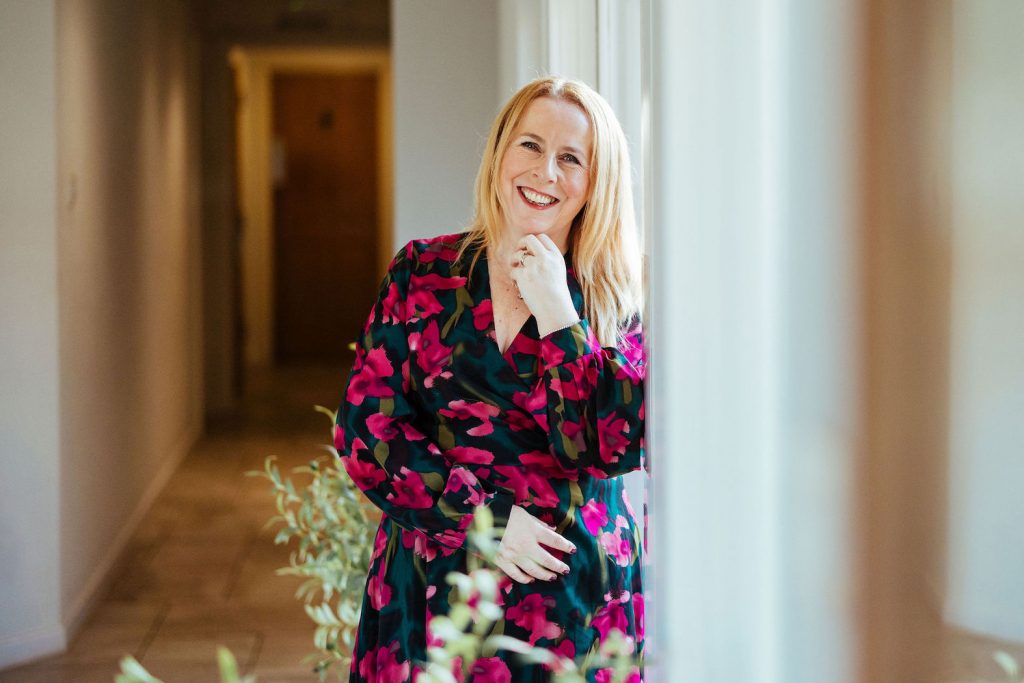
Photo of me by Farlie Photography
Table close up (plum flowers): Mastermind Day held in 2019, Flowers by Amega Fleur, Photo by Nelli Prahova